The Third Type of Isometric Training Most People Never Learn (Rotational Isometrics)
Most people think isometric training means one thing:
Holding still.
Planks.
Wall sits.
Horse stance.
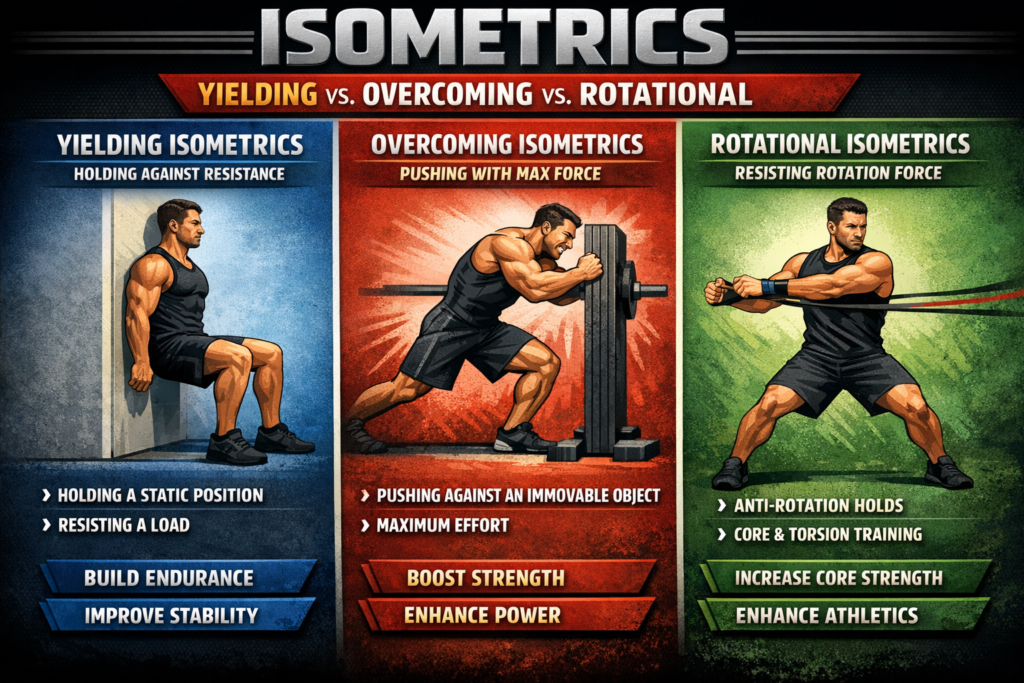
And if they go a little deeper, they might discover overcoming isometrics—pushing or pulling against an immovable object.
But there is a third type of isometric training that almost nobody talks about.
And it’s the one that most closely resembles real martial power.
It’s called:
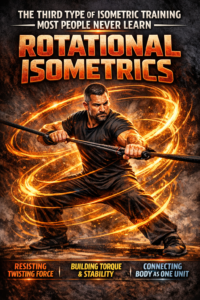
Rotational Isometrics
Why Most Strength Training Falls Short
Most strength training is linear.
Up and down.
Push and pull.
Even most isometric training is linear:
You hold a position.
Or you push in one direction.
But martial arts are not linear.
Punches rotate.
Throws spiral.
Grappling involves torque, pressure, and redirection.
Power doesn’t move in straight lines.
It moves in curves, spirals, and angles.
And if your training doesn’t reflect that…
Your strength won’t transfer.
What Are Rotational Isometrics?
A rotational isometric is when you create tension by resisting rotation or producing force in opposing directions.
Instead of holding still…
You are actively creating twisting force inside the body.
Examples include:
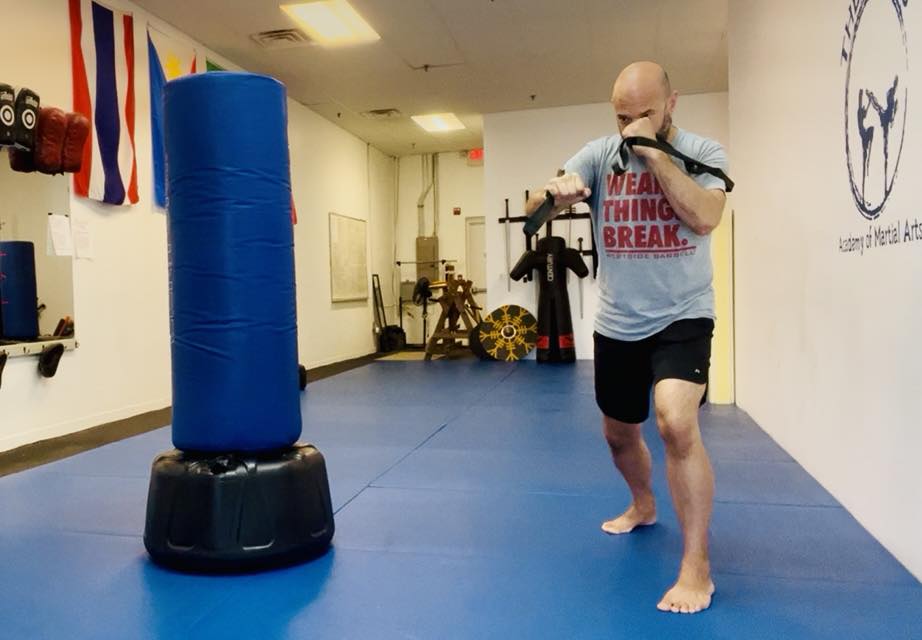
• resisting a band pulling you into rotation
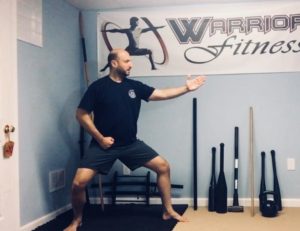
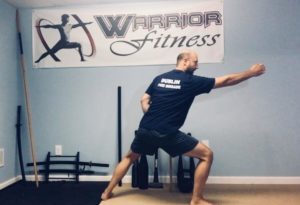
• twisting into a stance without moving
• creating opposing forces between upper and lower body
• diagonal push/pull tension patterns
• rotational squat holds
• Dragon Coil Holds
The key idea:
You are not just holding position.
You are organizing force through the body.
What Rotational Isometrics Train
This is where things get interesting.
1. Fascial Chains (Not Just Muscles)
Rotational tension travels through the body in diagonal patterns.
This activates:
• anterior/posterior sling systems
• cross-body fascial lines
• spiral tension chains
These are the exact pathways used in:
• punching
• throwing
• takedowns
• weapon work
2. Internal Connection
Rotational isometrics teach the body how to:
• connect upper and lower body
• transmit force across the torso
• maintain structure during movement
This is what many internal arts call:
“whole-body power”
3. Torque and Pressure
Linear strength pushes.
Rotational strength twists and compresses.
This is what creates:
• heavy hands
• crushing grappling pressure
• destabilization of opponents
4. Anti-Rotation Stability
Ironically, training rotation improves your ability to resist rotation.
This is critical for:
• defending takedowns
• maintaining base
• staying balanced under pressure
 Why This Is the Missing Link
Here’s the problem:
Most people train:
✔ Yielding (structure)
✔ Overcoming (force)
But they skip:
❌ Direction of force
So their strength exists…
…but it doesn’t transfer cleanly into movement.
Rotational isometrics fix that.
They teach the body how to:
organize force through angles
The Martial Connection
If you look at traditional systems:
• Tai Chi → silk reeling
• Bagua → circular walking
• Xing Yi → directional force
• Jujutsu → kuzushi (off-balancing)
They are all based on:
rotation and redirection of force
Rotational isometrics are the modern bridge into that training.
They make those principles:
• measurable
• repeatable
• physically trainable
How I Use Rotational Isometrics
Inside my system, rotational work comes after structure is built.
Because without structure, rotation becomes collapse.
Here’s how it fits:
Step 1 — Yielding Isometrics
Build structure and endurance
Step 2 — Overcoming Isometrics
Build force and power
Step 3 — Rotational Isometrics
Organize and apply that power
Example Drill — Diagonal Push/Pull
Set up:
• Attach a band or strap
• One hand pushes forward
• One hand pulls back
• Hips remain stable
• Spine tall
Hold for 30–45 seconds.
Focus on:
• creating tension through the torso
• breathing calmly
• feeling force travel from foot to hand
This is not a “hold.”
This is a force pattern.
Example Drill — Dragon Coil Hold
From a squat:
• rotate the torso
• maintain lower body alignment
• create opposing tension
This develops:
• spiral strength
• hip integration
• rotational power
Where Most People Go Wrong
They try to muscle the movement.
But rotational strength is not about squeezing harder.
It’s about:
• direction
• alignment
• connection
Too much tension kills the effect.
Correct tension distributes it.
How This Fits Into My Programs
If you’ve been following my work, you’ve already seen these layers.
The Isometric Warrior Training Guide
Builds structural foundation through yielding isometrics
The 21-Day Isometric Forge
Introduces overcoming + diagonal tension
👉 (Free bonus program inside the private Isometric Warrior Brotherhood)
The Iron Silk Method
Fully integrates:
• tendon elasticity (Yi Jin Jing)
• rotational force
• breath-driven power
Final Thought
Most people train strength.
Very few train how strength moves through the body.
That’s the difference between:
Looking strong…
and feeling powerful.
Rotational isometrics are the bridge.
Train them seriously, and your strength will begin to show up where it actually matters.
—
Jon Haas
The Warrior Coach
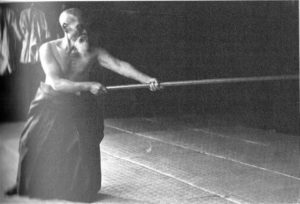 To say it opened up my worldview when it came to martial arts training would be a huge understatement!
 For example, looking at a natural standing posture, good alignment would be: