What’s the difference between being effective in your training and becoming efficient?
When you first started to drive a car, you sucked at it, right? You couldn’t turn on the radio and the turn signal at the same time, and I’ll bet when you tried to wave at someone outside on the sidewalk, you turned the wheel in the same direction too.
In short, you were a disaster.
Gradually, with practice, you got better and better at driving until you became effective. Meaning you could get yourself from point A to point B without crashing or otherwise screwing up.
Now, after years of driving you can effortlessly change lanes, check your mirrors, adjust the air conditioning, change the radio station, and carry on a conversation without even thinking about it. You slowly but surely moved from merely an effective driver (accomplishing the act of driving) to an efficient driver (accomplishing the act of driving with minimum effort AND maximum effectiveness).
Your martial arts training and your strength training are the same.
You cannot hope to progress beyond a basic level if you are just effective at your techniques or exercises. You must move across the continuum from effective to efficient. From mundane to master.
How can we define efficiency?
Here’s the easiest definition – Efficiency = Useful Work / Total Work
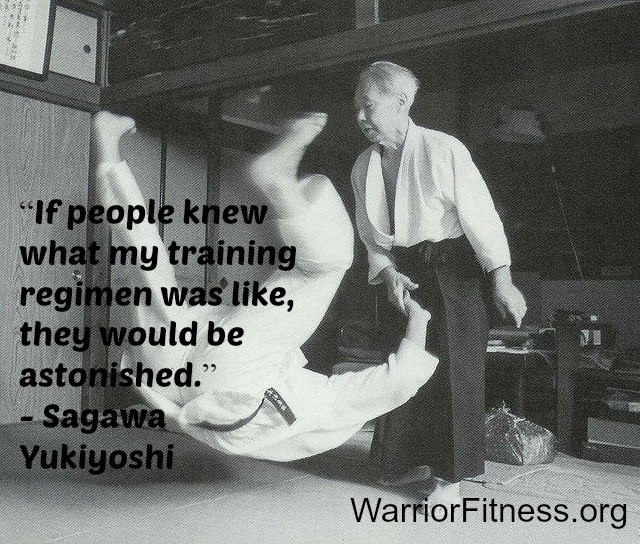
Look at any martial arts master at the top of his game. He is supremely effective (otherwise he wouldn’t be a master) BUT he’s also extremely efficient in his movement and energy expenditure. The master moves with grace under pressure, with strength and power refined and focused, and an effortlessness that defies belief. His mind and body perfectly integrated, he can do this all day.
How do you progressively move from effective to efficient?
Yes, it’s a matter of time and practice of course. But what else?
Throughout the ages, master martial artists have developed specific regimens of solo (and paired) training exercises to hack into the nervous systems software and update the code to bypass years of trial and error. This way they have laid out a clear path of progression for the savvy practitioner to follow step-by-step from effectiveness to efficiency to mastery.
Specific Training + Frequent Practice = Massive Results
What are the specific practices required?
That, my friends, is the subject of the next article… 🙂