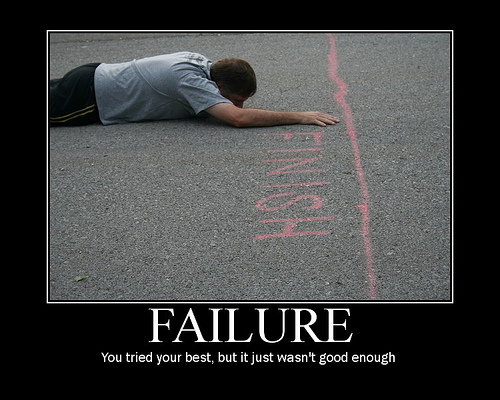
 How many people do you know who rarely, if ever, get the results they are seeking from their exercise regimen? You may be one of them! The question is, why don’t you (they) get results? These people may be “exercise nuts” or “gym rats” or even “exer-holics”, or they could just be fascinated with the idea of exercise, but never actually doing any. The four points below summarize what I feel to be the most important keys to progress when it comes to getting results and achieving your health and fitness goals, whatever they may be.
1. Joint mobility on a daily basis.
Daily joint mobility is a requirement to keep your progress moving forward. Not only does it provide nutrition and lubrication for every joint in your body, but it also aids in removing waste products and deposits that tend to form over time causing pain. The mobility increases our range of motion and acts as a prehab for enabling us to avoid injuries. Additionally, it is an excellent way to warm-up the body prior to exercise or to get ready for the day first thing in the morning by increasing local blood flow to muscles.
2. Yoga asana as compensatory movement for post-exercise cool down work.
Since every action we do, as in exercise, or don’t do, as in couch sitting, causes an adaptation in our body, movements need to be specifically unloaded to bring us back into balance. Compensatory movements remove tension caused by exercise and leaving us with the beneficial effects. These movements are generally used as a cool down right after exercise or as a low impact recovery workout in and of themselves. The selection of yoga asana (postures) has to be paired with each exercise performed as the complementary functional opposite of the movement to have the maximum desired effect. By effectively integrating compensatory movements into your program, you can accelerate your progress, avoid injury, and keep moving forward.
3. An incremental approach.
Incremental progression is what keeps us from doing too much too soon and causing an injury. Often we find that our bravado outweighs our brain when it comes to exercises, especially in the beginning. We tend to want to jump right into the deep end in order to “get results faster”, but often end up injured, exhausted, or both with this approach and are unable to sustain the effort. Health is about the long haul, not the short term effort. If your program is unsustainable then it really has no value nor will it aid you in achieving your goals.
4. A plan sewing together all of the above.
Having a plan is what brings all the prior elements together in cohesive, useable manner. There is a tendency among some people out there to avoid having a program and to simply do the type of exercise they feel like on a particular day. They also change the selection constantly in order to avoid boredom or so they can be “ready for anything”. On the surface, this seems logical, but in reality unpredictable exercise selection simply leads to unpredictable results. That’s no way to make progress.